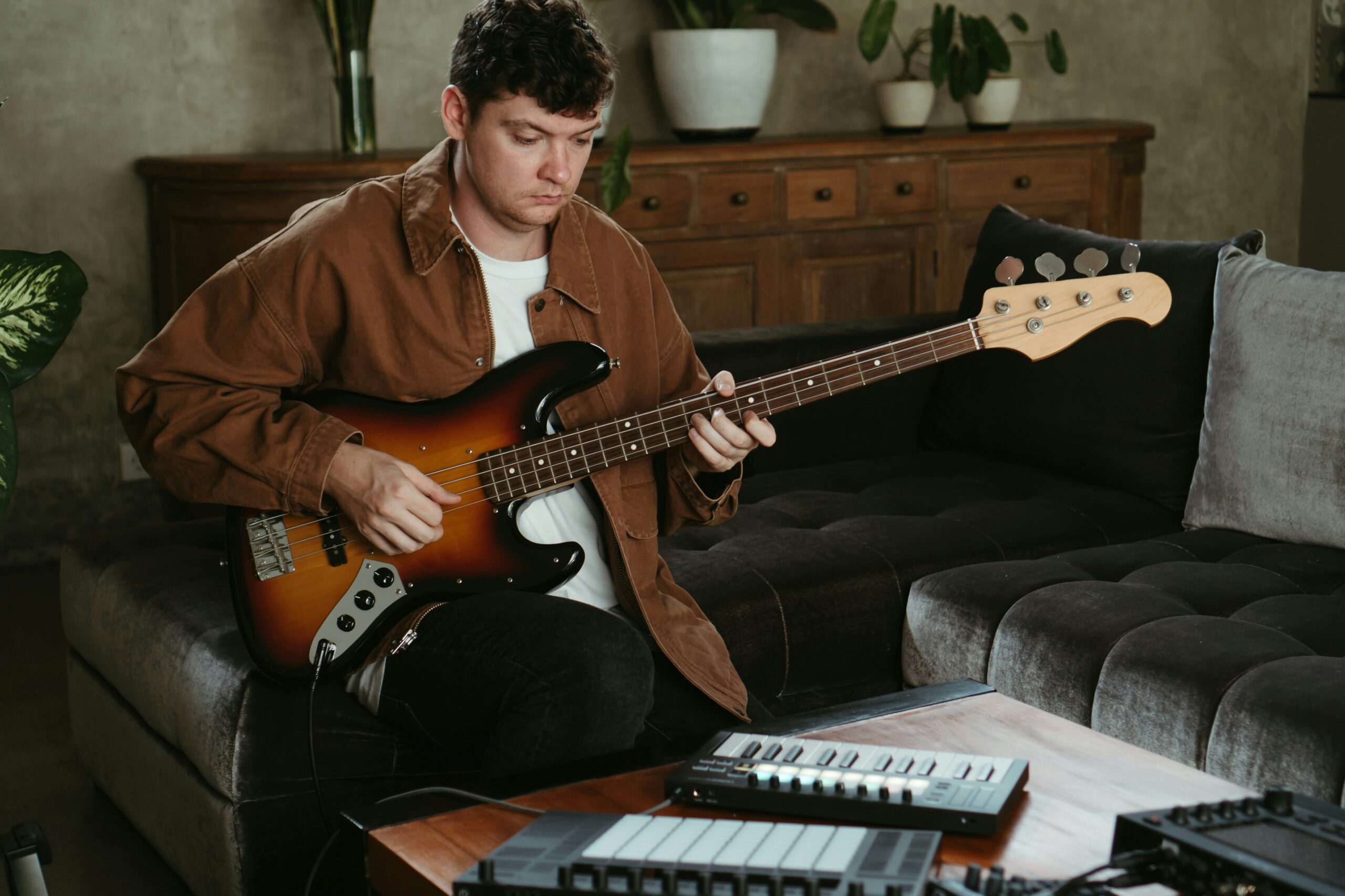
Music production has evolved rapidly with digital tools, yet traditional instruments still shape the creative core of modern sound. Among them, the guitar stands out as a powerful tool that connects technical skill with artistic expression.
When producers understand guitar techniques, they gain deeper control over melody, rhythm, and texture. As a result, Guitar Skills Improve Modern Music Production Techniques by bridging human performance with digital precision, allowing artists to create richer and more dynamic recordings.
Understanding musical structure through guitar practice
Learning guitar naturally builds a strong sense of musical structure because players engage with chords, scales, and rhythm patterns daily. As musicians practice transitions and progressions, they begin to understand how songs are constructed from the ground up. Therefore, this knowledge helps producers arrange tracks with greater clarity and purpose.
Additionally, guitar training encourages active listening, which sharpens the ability to identify tonal changes and harmonic movement. When producers apply this awareness in the studio, they create more cohesive compositions. Consequently, music production becomes less mechanical and more expressive, leading to stronger final results.
Enhancing rhythm control and timing precision
Guitar playing demands consistent rhythm and timing, especially when working with strumming patterns or fingerstyle techniques. As players develop these skills, they improve their ability to stay locked into a groove. This precision becomes essential when producing modern tracks that rely heavily on rhythm.
Moreover, producers who understand guitar timing can align beats, loops, and live recordings more effectively. They recognize subtle timing variations and adjust them without losing the human feel. As a result, tracks sound polished while still maintaining authenticity, which is highly valued in today’s music landscape.
Improving recording techniques for live instruments
Recording guitar requires attention to detail, including microphone placement, tone shaping, and performance dynamics. Producers with guitar experience understand how different playing styles affect sound quality. Therefore, they can capture cleaner and more balanced recordings.
In addition, knowledge of guitar tone helps producers select the right equipment and settings during recording sessions. They know how to adjust amplifiers, pedals, and digital effects to achieve desired results. As a result, recordings sound more professional and require less correction during post-production.
Expanding creativity in melody development
Guitar skills allow producers to experiment with melodies in a hands-on way, which often leads to more creative ideas. Instead of relying solely on software tools, they can physically explore notes and patterns. This interaction sparks creativity and encourages unique musical expressions.
Furthermore, the guitar provides immediate feedback, helping producers refine melodies quickly. When they combine this with digital production tools, they can layer and modify sounds with greater confidence. Consequently, the creative process becomes faster and more intuitive, leading to innovative compositions.
Strengthening sound design and texture layering
Guitar skills open the door to advanced sound design by allowing producers to manipulate tones creatively. From clean acoustic sounds to heavily processed electric effects, the guitar offers a wide range of sonic possibilities. This versatility enhances modern music production techniques significantly.
Moreover, producers can layer multiple guitar tracks to create depth and texture within a song. By combining different tones and playing styles, they build rich soundscapes that stand out. Consequently, music gains a fuller and more immersive quality that appeals to listeners.
Bridging analog performance with digital tools
Modern production relies heavily on software, yet guitar playing brings an organic element that digital tools cannot fully replicate. Producers who play guitar can blend live performance with digital editing seamlessly. This combination creates a balanced and dynamic sound.
At the same time, guitar skills help producers understand how to translate analog performances into digital formats effectively. They can edit recordings without removing natural expression. Therefore, the final product maintains emotional depth while benefiting from modern production precision.
Boosting collaboration with other musicians
Producers who understand guitar can communicate more effectively with musicians during recording sessions. They can discuss chord progressions, suggest improvements, and guide performances with confidence. This shared language strengthens collaboration and improves outcomes.
Additionally, guitar knowledge allows producers to step in and contribute directly when needed. Whether adding a rhythm track or refining a melody, they can support the creative process actively. As a result, projects move forward smoothly and maintain high quality.
Increasing versatility across music genres
Guitar skills adapt easily across genres, from rock and pop to jazz and electronic music. Producers who play guitar can experiment with different styles and incorporate diverse influences into their work. This flexibility enhances their ability to create unique sounds. Furthermore, understanding genre-specific guitar techniques helps producers match the tone and feel of each project. They can adjust their approach based on the desired style, ensuring authenticity.
Consequently, their productions resonate with a wider audience and remain relevant in a competitive industry. In many creative fields, foundational skills often shape advanced outcomes, and this principle applies strongly in music production. For example, just as scientific research builds on core biological functions to create life-saving innovations, music production grows stronger when rooted in practical musical abilities like guitar playing.